Bloating in children usually occurs due to a buildup of gas in the digestive tract and can be managed with gentle massage, a proper diet, and good eating habits. To help your little one feel comfortable again, using a diaper that stays dry — like MAKUKU Slim Luxury Silky — helps maintain your child's comfort during activities and rest.
Bloating in children is a fairly common condition. When the stomach feels full of gas, your little one may become fussy, uncomfortable, and even struggle to sleep or eat. This condition is actually normal among children, especially when their digestive system is still developing.
The good news is that bloating in children can usually be managed with simple home remedies. By identifying the causes and signs early, Moms can help your little one feel more comfortable and get back to their usual active self. Let's take a look at the causes, symptoms, and safe ways to relieve bloating in children.
What Causes Bloating in Children?
Bloating in children usually occurs due to a buildup of gas in the digestive tract. This gas can come from the process of digesting food or from air swallowed while eating or drinking. According to the Cleveland Clinic, stomach complaints in children are quite common and are often related to digestive issues such as excess gas, constipation, or mild gastrointestinal infections. Several factors can cause bloating in children.
1. Swallowing Too Much Air
When children eat too fast, drink through a straw, or talk frequently while eating, they may swallow more air than usual. This air enters the digestive tract and accumulates, causing the stomach to feel full or bloated.
2. Consuming Gas-Producing Foods
Certain foods naturally produce more gas during digestion, such as beans, broccoli, cabbage, onions, and carbonated drinks. In some children, these foods can cause stomach discomfort.
3. A Still-Sensitive Digestive System
A child's digestive system, especially in toddlers, is still developing. As a result, the digestion process is not always optimal, making it easier for gas to form.
4. Constipation
When a child experiences constipation or difficulty passing stools, gas can become trapped in the intestines. This often makes the stomach feel hard, full, and visibly enlarged.
5. Food Intolerances
Some children may have intolerances to certain foods, such as lactose intolerance from dairy products. This condition can cause bloating, stomach pain, and even diarrhea.
Common Signs of Bloating in Children
Bloating in children is usually accompanied by several signs that are fairly easy to recognize. By understanding the symptoms, Moms can more quickly help your little one overcome the discomfort they are experiencing. Here are some common signs of bloating in children.
1. Stomach Feels Hard or Enlarged
One of the most common signs is that the child's stomach feels harder or appears slightly more swollen than usual. This occurs due to gas accumulation inside the stomach.
2. Child Is More Fussy Than Usual
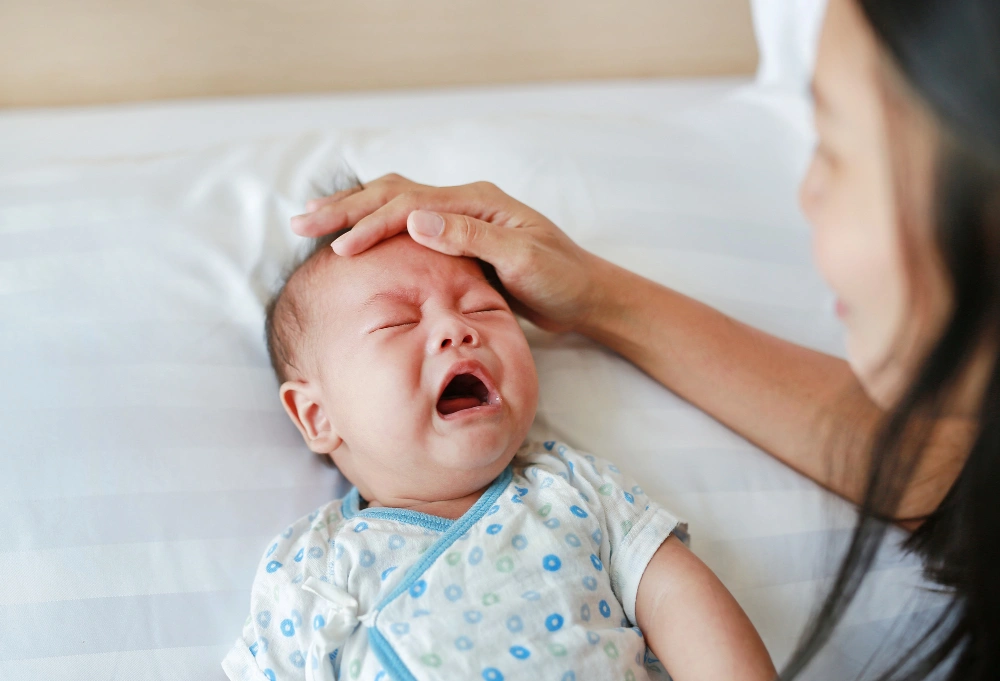
When the stomach feels uncomfortable, your little one may become fussier, cry more easily, or appear restless without any obvious reason.
3. Frequent Burping or Passing Gas
Gas trapped in the digestive tract will usually be released through burping or flatulence. If your child seems to be doing this more frequently than usual, they are likely experiencing bloating.
4. Reduced Appetite
The feeling of fullness in the stomach can make a child less interested in eating. As a result, your little one's food intake may temporarily decrease.
5. Child Appears Uncomfortable While Moving
Some children are visibly seen holding their stomach more often or appear uncomfortable when moving, sitting, or lying down.
How to Relieve Bloating in Children
If your little one is experiencing bloating, Moms don't need to panic right away. There are several simple things that can be done at home to help relieve gas in your child's stomach. Here are some ways to manage bloating in children that Moms can try.
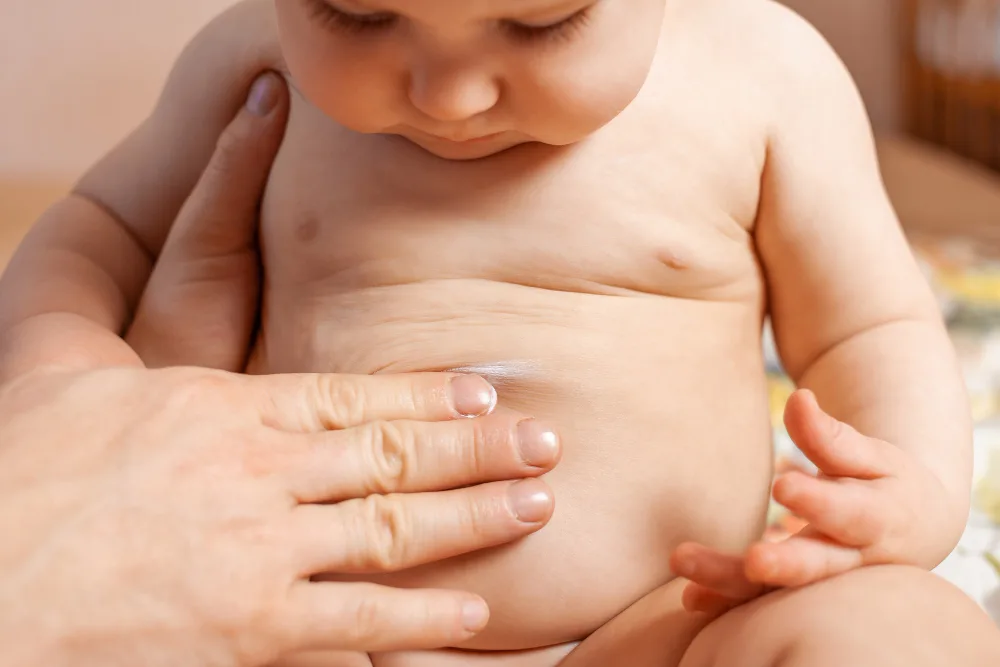
1. Gently Massage the Child's Stomach
A gentle massage on the stomach area can help push gas out of the digestive tract. Moms can slowly massage your little one's tummy in a clockwise circular motion.
2. Encourage the Child to Move
Light activities such as walking or moving around can help stimulate intestinal function. Body movement helps gas shift and exit the digestive system more easily.
3. Apply a Warm Compress to the Stomach
A warm compress on the stomach area can help relieve discomfort caused by gas. Warmth helps the stomach muscles relax so that gas can escape more easily.
4. Help the Child Burp
If bloating is caused by swallowed air, helping the child burp can be an effective solution. Moms can gently pat the child's back after eating or drinking.
5. Regulate the Child's Eating Habits
Eating too quickly can cause children to swallow a lot of air. Therefore, Moms can encourage your little one to eat more slowly and chew food thoroughly.
6. Reduce Gas-Triggering Foods
If bloating frequently occurs after your child consumes certain foods, Moms can try reducing or limiting those particular foods.
7. Provide Adequate Water
Water helps the digestive process run more smoothly. With sufficient fluids, food can be digested better and gas in the stomach can be reduced.
8. Help the Child Have Regular Bowel Movements
If bloating is caused by constipation, helping the child establish a regular bowel schedule can be a solution. A fiber-rich diet of fruits and vegetables can also help improve digestion.
9. Avoid Carbonated Drinks
Carbonated drinks contain carbonation that can produce additional gas in the stomach. In children, this type of drink can worsen bloating.
10. Consult a Doctor If Necessary
If bloating occurs persistently and is accompanied by vomiting, fever, or severe pain, it is best to consult a doctor promptly. Further examination may be needed to determine the underlying cause.
How to Prevent Bloating in Children
In addition to knowing how to manage it, prevention is also important so that your little one does not frequently experience bloating. A few simple habits can help maintain your child's digestive health.
1. Encourage the Child to Eat Slowly
Eating calmly without rushing helps reduce the amount of air swallowed during meals. This habit also helps the digestion process work more optimally.
2. Provide a Balanced Diet
A balanced menu with adequate fiber, protein, and fluids can help maintain the health of the child's digestive system.
3. Limit Gas-Triggering Foods
If Moms already know which specific foods often cause bloating in your child, it is best to limit consumption of those foods.
4. Keep the Child Physically Active
Physical activity helps the digestive system function better. Children who are regularly active tend to have smoother digestion.
Conclusion
Bloating in children is a fairly common condition and is usually not dangerous. It typically occurs due to swallowing air while eating, consuming certain foods, or having a still-developing digestive system. By recognizing the signs early, Moms can help your little one feel more comfortable through simple methods such as stomach massage, warm compresses, and adjusting eating habits.
In addition to maintaining digestive health, your little one's overall comfort is also important so they can go about their day peacefully. MAKUKU Slim Luxury Silky features triple zero protection — zero feel that makes baby as comfortable as wearing no diaper at all, thanks to SAP Thin Core Technology at just 1.6 mm thin. Zero worry, as this diaper protects against leaks with high absorbency, keeping baby dry for up to 12 hours.
FAQ
1. Can bloating in children occur after drinking milk?
Yes. In some children this can happen due to lactose intolerance or sensitivity to certain milk proteins.
2. Is daily stomach massage safe?
Stomach massage with gentle pressure is generally safe, especially when the child is feeling uncomfortable due to gas.
3. Can bloating make it difficult for a child to sleep?
Yes. The feeling of fullness and discomfort from gas can interfere with a child's sleep quality.
4. Can gas relief medicine be given to children?
Gas relief medicine should only be given as advised by a doctor to ensure the correct dosage and safety.
5. When does bloating in children need to be checked by a doctor?
If bloating is accompanied by vomiting, fever, severe pain, or persists for a long time, it should be checked by a doctor promptly.
6. Does MAKUKU diaper have good air circulation?
Yes. The design of MAKUKU diapers helps maintain air circulation to keep the baby's skin comfortable.
7. Is MAKUKU diaper available in offline stores?
Yes. MAKUKU diapers are available at many supermarkets, minimarkets, and baby supply stores.
References:
https://www.mayoclinic.org/diseases-conditions/gas-and-gas-pains/symptoms-causes/syc-20372709
https://health.clevelandclinic.org/stomachaches-5-things-parents-should-know
https://www.mayoclinic.org/diseases-conditions/constipation-in-children/symptoms-causes/syc-20354242